Anion Gap Calculator for Suspected Propylene Glycol Toxicity
What the Anion Gap Measures
The anion gap is a computed value that enables clinicians assess acid-base balance and detect hidden acids in the blood. An Anion Gap Calculator typically uses serum sodium, serum chloride, and serum bicarbonate from a basic chemistry panel to estimate the concentration of unmeasured anions. In practice, it is a fast way to calculate anion gap and identify an elevated anion gap that may signal a metabolic problem.
The standard calculation is easy: sodium minus chloride and bicarbonate. Even though the formula is clear, the interpretation is clinically rich. A normal result does not rule out illness, and an abnormal result does not point to only one diagnosis. The anion gap is a initial tool that guides clinical assessment, especially when a patient has an acidotic state or signs of metabolic acidosis.
In toxicology, the anion gap becomes especially valuable because some poisons create a metabolic derangement by generating acidic toxic metabolite products. That is why an anion gap calculator is often used as part of a broader diagnostic evaluation rather than as a standalone answer. It helps direct the next step in a poisoning workup and contributes to the overall laboratory interpretation.
Albumin also matters. Because albumin is a negatively charged protein, low albumin can make the measured anion gap look falsely normal. This is where albumin correction becomes important. Correcting for albumin can reveal a true elevated gap that would otherwise be missed, improving the recognition of hidden acidosis and helping clinicians better understand the patient’s serum chemistry.
Why Propylene Glycol May Elevate the Anion Gap
Propylene glycol is utilized as a carrier in some medications and formulations. When exposure is high, its metabolism can lead to disturbance of acid-base status. anion gap clinical significance In suspected propylene glycol toxicity, the body may convert propylene glycol into acidic metabolites that intensify metabolic acidosis and increase the anion gap.
This process often appears as a toxin exposure problem rather than a typical spontaneous metabolic disorder. Once absorbed, propylene glycol can be metabolized into compounds associated with lactic acidosis and associated metabolic changes. That means the patient may show both an elevated anion gap and an increased osmolar gap, especially early in the course before metabolism is complete.
The osmolar gap is a helpful companion clue. While the anion gap reflects hidden acids, the osmolar gap reflects unmeasured solutes in the blood. In propylene glycol exposure, the two can both be abnormal, but they do not always rise together or at the same time. Initially after exposure, the osmolar gap may be more noticeable; with time, as metabolism progresses, the anion gap can become more clearly elevated because of acidic breakdown products.
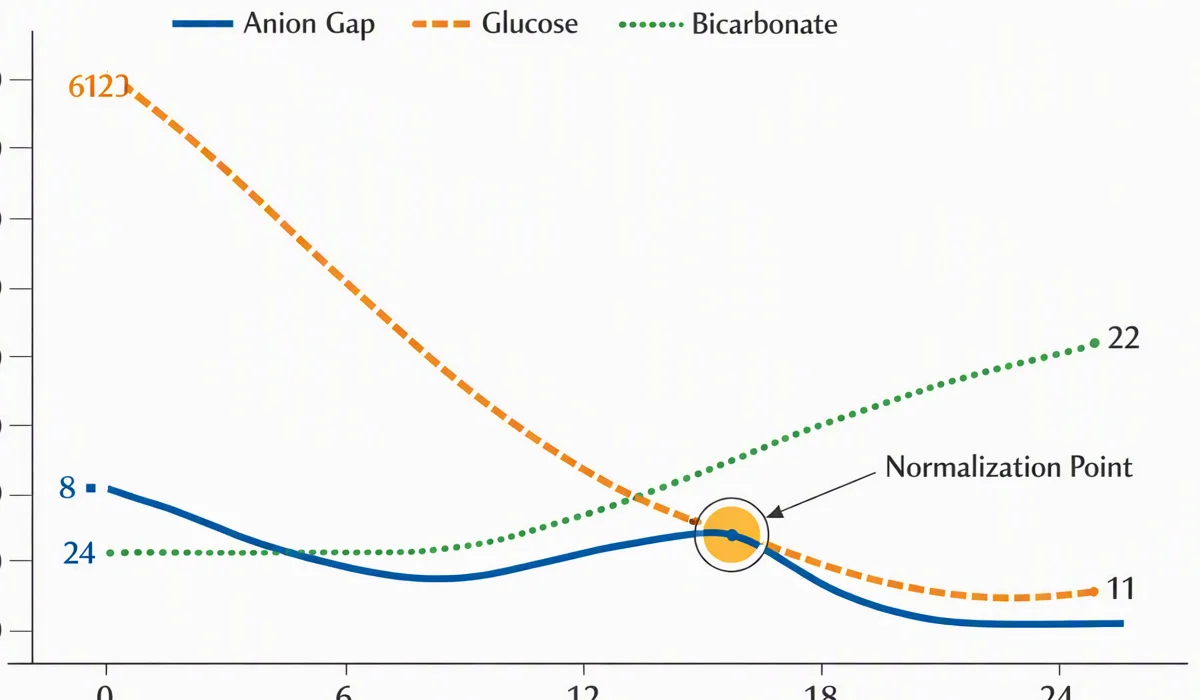
This is why toxicology teams think in terms of both acid-base interpretation and timing. The clinical picture depends on amount, route, duration, and the patient’s ability to eliminate the compound. The result may be a shifting pattern of lab abnormalities that requires thorough laboratory interpretation rather than a single-number diagnosis.
How to Use an Anion Gap Calculator in Poisoning Assessment
Relying on an anion gap calculator in suspected toxic exposure starts with the right calculator inputs. First, you need the patient’s serum electrolytes: sodium, chloride, and bicarbonate. These values come from an electrolyte panel and allow the clinician to assess whether the patient has an elevated anion gap that suggests acid accumulation.
In toxicology, however, raw calculation is only the first step. The next step is albumin correction, because albumin changes can mask or exaggerate the degree of metabolic disturbance. A patient with low albumin may appear less acidotic than they really are, so corrected interpretation is often essential for accurate acid-base interpretation.
A useful workflow is to start with the serum chemistry, calculate the anion gap, apply albumin correction if needed, and then interpret the result in context. This means asking whether the numbers fit the clinical picture, whether there is a plausible toxin exposure, and whether the pattern suggests a toxic alcohol process or another cause of metabolic acidosis.
Clinicians should also look for associated clues such as changes in mental status, hemodynamic instability, or worsening respiratory compensation. The calculator does not replace clinical assessment; it supports it. In suspected propylene glycol exposure, the result can trigger urgent attention to serum chemistry, additional testing, and possible escalation to critical care.
In short, the best way to use an Anion Gap Calculator in toxicology is as part of a broader decision pathway: identify the abnormal gap, correct for albumin, compare with the osmolar gap, and integrate the findings with the patient’s presentation and medication history.
Interpreting Findings for Potential Toxic Exposure
When the anion gap is elevated, the key concern is whether the pattern is suggestive of high anion gap metabolic acidosis. In suspected propylene glycol exposure, an increased gap can support concern for toxic ingestion or iatrogenic accumulation, but it is not diagnostic on its own. The result should be considered within the broader category of toxic alcohols and other causes of acid-base disturbance.
Medical context matters enormously. If the patient has altered mentation, tachypnea, hypotension, or unexplained worsening acidosis, the laboratory findings carry greater weight. A rising gap alongside abnormal vital signs may indicate a worsening acidotic state and the need for urgent management. The result should also prompt a review of medications, infusions, and any history suggesting exposure to propylene glycol-containing products.
Renal function is another major part of interpretation. Reduced clearance can allow propylene glycol or its metabolites to accumulate, intensifying the metabolic derangement. Kidney impairment can also independently affect acid-base status, making the differential diagnosis more complex. In practice, impaired renal function may increase both the severity and duration of the abnormal gap.
The overall interpretation should remain broad. A high anion gap does not automatically mean propylene glycol toxicity. It means there is a likely accumulation of unmeasured acids that requires a structured differential diagnosis. That is why a focused diagnostic evaluation is essential when the lab values and clinical picture suggest serious toxin exposure.
In short, the anion gap is most useful when it is treated as a clue, not a conclusion. The combination of clinical symptoms, exposure history, renal status, and follow-up testing determines how strongly the result points toward propylene glycol as the cause.
Frequent Causes of Increased Anion Gap Besides Propylene Glycol
Even if propylene glycol is considered, clinicians must evaluate alternative causes of an high gap. The differential diagnosis for metabolic acidosis is extensive, and the anion gap is a useful clue rather than an endpoint. Common alternatives include ketoacidosis, lactic acidosis, renal failure, and salicylate toxicity.
Ketoacidosis can occur in diabetes, fasting, or alcohol-related illness. It often produces marked acid-base changes and may appear similar with toxic exposure, especially if the patient has dehydration, nausea, vomiting, or confusion. Because the symptoms can be nonspecific, laboratory interpretation is crucial.
Lactic acidosis is another major cause of an elevated gap. Tissue hypoperfusion, seizures, severe infection, and drug effects can all raise lactate and create a substantial metabolic derangement. In propylene glycol exposure, lactate may also rise, which can complicate interpretation and make the case for expanded testing.
Renal failure can also elevate the anion gap because the kidneys cannot clear acids well. This can mirror or worsen toxin-related abnormalities. If kidney injury is present, the gap may be more elevated and the correction of the acidosis may take additional time.
Salicylate toxicity deserves particular attention because it can produce mixed acid-base findings. A patient may have a increased anion gap, respiratory alkalosis, or both. This is one reason why toxicology interpretation should not stop at a single lab result. The pattern must be matched to the clinical scenario, medication history, and other laboratory data.
Because these conditions can intersect, the anion gap should be used as part of a systematic differential diagnosis. That approach helps clinicians avoid anchoring on propylene glycol alone and ensures timely treatment of other potentially life-threatening causes.
When to Get Extra Tests
Extra testing is recommended any time the anion gap is elevated and the cause is unclear, especially if propylene glycol toxicity is on the differential. The most important follow-up tests often include the osmolar gap, arterial blood gas, serum lactate, and a toxicology screen.
The osmolar gap can point to toxic alcohol exposure or other unmeasured osmotically active substances. In propylene glycol cases, it may help identify early exposure or ongoing accumulation. Because the osmolar gap and anion gap may change over time, serial measurements can improve diagnostic accuracy.
An arterial blood gas provides precise information about pH, carbon dioxide, and bicarbonate status. This helps confirm the severity of the acid-base disorder and indicates whether respiratory compensation is adequate. It is especially useful when symptoms suggest clinically important metabolic acidosis or when ventilatory status is uncertain.
Serum lactate should be checked because elevated lactate may reflect tissue hypoperfusion, sepsis, seizures, or a toxic metabolite effect related to propylene glycol. Since lactate can drive an elevated anion gap, the result helps narrow the cause of the acid-base change.
A toxicology screen may identify co-exposures or alternative explanations. While not every toxic alcohol or medication is captured by standard testing, a screen can still provide helpful context in a broader poisoning workup. Depending on the case, clinicians may also evaluate kidney function, glucose, ketones, and other markers of serum chemistry.
In short, the combination of the anion gap, osmolar gap, arterial blood gas, serum lactate, and toxicology screen provides a more complete clinical picture than any single test alone.
Medical Care and Treatment Notes
Care of suspected propylene glycol toxicity begins with supportive treatment and prompt recognition of the exposure. The first step is to halt exposure to any suspected source, including medications or infusions that contain propylene glycol. Stopping further intake is essential to prevent worsening metabolic derangement.
Supportive care may include fluid resuscitation, correction of electrolyte abnormalities, and close monitoring of acid-base status. The exact approach depends on severity, kidney function, hemodynamics, and the presence of symptoms. In many cases, careful observation and repeated laboratory evaluation are sufficient if the exposure is limited and the patient improves quickly.
However, severe cases require escalation. Critical care monitoring may be appropriate when there is significant acidosis, altered mental status, hemodynamic instability, respiratory compromise, or rapidly worsening laboratory values. Critical care is especially important when the patient needs frequent reassessment of labs, airway status, and hemodynamics.
Dialysis may be considered in severe or refractory cases, particularly when there is persistent acidosis, impaired renal clearance, very high suspected exposure, or clinical deterioration despite supportive measures. Dialysis can help remove propylene glycol and correct the acid-base disturbance more rapidly.
The decision to initiate hemodialysis is based on the full clinical picture, not just the anion gap. That includes symptoms, kidney function, osmolar gap, arterial blood gas findings, and trends over time. The goal is urgent management of the patient, not simply normalization of a number.
In every case, the management plan should follow a stepwise approach: remove the exposure, monitor closely, treat anion gap mEq/L vs mmol/L the acid-base disorder, and escalate to advanced therapy when needed. This practical framework makes the anion gap far more useful than a static lab value—it becomes a decision support tool in toxicology.
FAQ
How does an anion gap calculator help detect propylene glycol toxicity?
An anion gap calculator can help detect propylene glycol toxicity by identifying an elevated anion gap that implies hidden acids are accumulating in the blood. In combination with serum electrolytes, albumin correction, and clinical findings, it aids early recognition of toxic exposure and guides the next steps in the diagnostic evaluation.
Is high anion gap metabolic acidosis caused by propylene glycol toxicity?
Yes. Propylene glycol toxicity can cause high anion gap metabolic acidosis because its metabolism may produce acidic compounds that decrease bicarbonate and raise the anion gap. The severity depends on dose, duration, renal function, and whether the patient is already having other causes of acidosis.
What laboratory tests are recommended if propylene glycol toxicity is suspected?
Key labs include serum electrolytes, serum bicarbonate, serum lactate, an arterial blood gas, and an osmolar gap assessment. A toxicology screen may also help identify other exposures. Albumin correction is important when interpreting the anion gap, and renal function testing is often essential as well.
What is the difference between an anion gap and an osmolar gap?
The anion gap shows unmeasured charged particles in the blood and helps identify metabolic acidosis. The osmolar gap indicates unmeasured substances that raise blood osmolality, which can occur in toxic alcohol exposure. In suspected propylene glycol cases, both can be helpful because they evaluate different parts of the poisoning workup.
In what situations is hemodialysis considered for propylene glycol toxicity?
Hemodialysis is considered when there is severe acidosis, worsening symptoms, impaired renal clearance, or failure to improve with supportive care and discontinue exposure measures. It may also be used when the clinical assessment shows significant instability or when rapid removal of the toxin is needed during critical care.