How to Calculate Anion Gap in mEq/L
What Is the Anion Gap?
This anion gap is a calculated value from a standard serum chemistry panel that helps estimate the equilibrium between measured positively charged and negative electrolytes in the blood. It is frequently used as a diagnostic tool during a metabolic evaluation because it can suggest an electrolyte imbalance or an acid-base disorder.
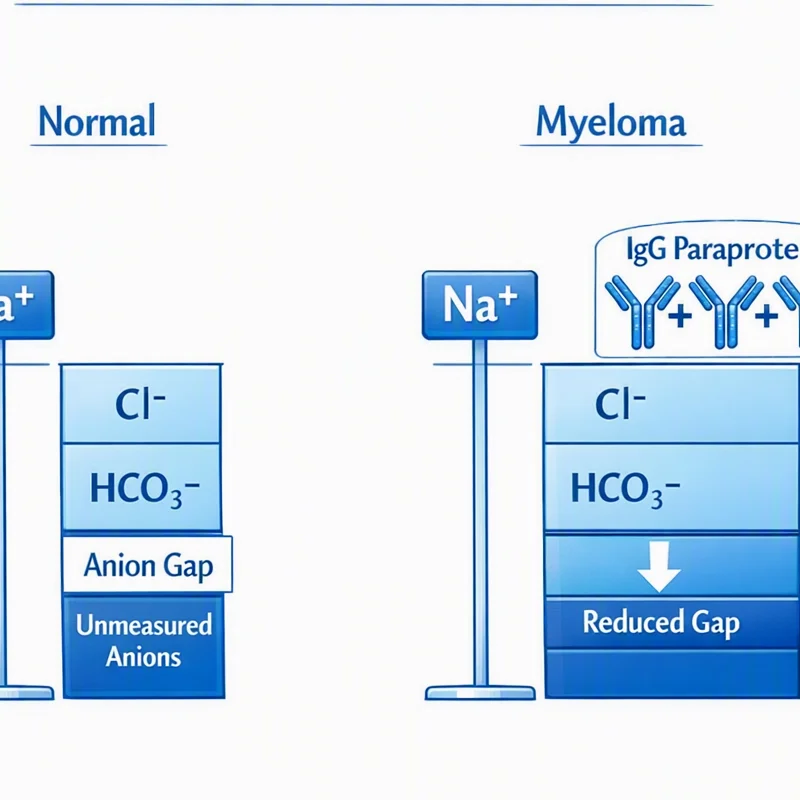
Although the body contains many charged particles, standard blood testing only measures a few of them directly. The anion gap calculates the difference between serum sodium and the measured negative ions, mainly serum chloride and serum bicarbonate. The result helps providers think about unmeasured ions that may be present in the bloodstream.
In simple terms, the anion gap is a blood chemistry calculation that helps assess acid-base balance. It does not confirm one specific condition by itself, but it can be a helpful clue when evaluating a blood test and related symptoms.
Formula and Calculation of Anion Gap
The standard anion gap formula is written as:
Anion gap = sodium − (chloride + bicarbonate)
These measurements are typically reported in mEq/L. This means, the units for the calculation are milliequivalents per liter, which is the same unit used on many laboratory reports for these lab values.
This is a simple step-by-step example:
- Serum sodium = 140 mEq/L
- Chloride = 104 mEq/L
- Serum bicarbonate = 24 mEq/L
First add chloride and bicarbonate: 104 + 24 = 128.
After that subtract that total from sodium: 140 − 128 = 12 mEq/L.
Therefore, the anion gap in this example is 12 mEq/L.
This calculation is simple, but its meaning depends on the clinical context, the specific lab method used, and whether the result should be recalculated for blood albumin.
How to Use an Anion Gap Calculator
An Anion Gap Calculator is a easy way to enter your blood test results and promptly estimate the anion gap in mEq/L. Typically, calculators need the same three lab values: sodium, chloride, and bicarbonate.
When using an anion gap calculator effectively, use these steps:
- Identify the sodium, chloride, and bicarbonate values from your laboratory result.
- Type in each value exactly as listed, using the same units.
- Examine the calculated result and compare it with the stated reference range.
- Consider whether the result should be interpreted with the albumin level in mind.
As the calculation relies on a few numbers, it is straightforward to do manually as well. However, a calculator can reduce errors and help you compare values quickly during a metabolic evaluation. It is especially useful when reviewing several blood chemistry markers at once.
Remember that a calculator provides a numerical answer, but it does not replace lab interpretation. A result that seems normal may still matter if symptoms or other abnormalities are present, and a result outside the expected range may need further review by a healthcare provider.
Normal Anion Gap Range
The usual range for anion gap can differ a bit depending on the laboratory and measurement method. That is why you should always review your result to the lab’s own lab range or reference range rather than assuming one universal cutoff.
Many labs regard a typical anion gap to be around 8 to 16 mEq/L, but some use different normal values. The exact range may also change if the test methodology changes or if the lab includes potassium in its calculation, which is less common.
Albumin is important because it is a negatively charged protein that contributes to the overall balance of ions. When the serum albumin is low, the anion gap may look lower than expected even if no major acid-base problem is present. For that reason, the raw number and the clinical picture should be considered together.
If your report lists a result inside the stated reference range, that usually suggests no major shift in the measured ions. However, the number still needs clinical context, especially if the person has symptoms or other abnormal test results.
How Elevated and Reduced Anion Gap Mean
A high anion gap often suggests that additional acids or unmeasured negatively charged particles are present in the blood. This can suggest an pH balance problem, especially in a setting of acid buildup. In that situation, bicarbonate is often consumed as the body buffers excess acid, which can shift the calculated gap upward.
A low anion gap is less common. It may occur when albumin is low, when there is a lab measurement issue, or when certain positively charged substances are present. In many cases, a low result prompts a more careful review at the full blood chemistry picture rather than immediate concern by itself.
Both high and low results are interpreted in relation to other findings. The anion gap is not a stand-alone diagnosis; it is a clue that helps narrow down possible causes of an acid-base disorder.
Typical Causes of an Abnormal Anion Gap
A number of conditions can affect the anion gap. A high anion gap is frequently seen with metabolic acidosis, especially when acids gather faster than the body can eliminate them. One major cause is lactic acidosis, which can develop when tissues do not get enough oxygen or when metabolism is otherwise stressed.
Kidney disease can also cause an elevated gap because the kidneys may not remove acids effectively. As acid builds up, bicarbonate falls and the calculated gap rises. This makes the anion gap an important part of reviewing renal-related acid-base changes.
Another important category includes toxins. Certain ingestions or exposures can bring in unmeasured ions that increase the gap. In these cases, the anion gap can help indicate a serious underlying issue that needs prompt assessment.
Common causes to consider include:
- Lactic acidosis
- Kidney disease
- Toxins or toxin exposures
- Other forms of metabolic acidosis
A low anion gap may occur with low albumin, certain lab interferences, or unusual shifts in blood chemistry. Although it is often less obvious than a high result, it can still be medically significant.
Adjusted Anion Gap and Albumin Compensation
As albumin contributes significantly to the gap, reduced albumin can hide a true increase in unmeasured acids. This is why clinicians sometimes use albumin correction to determine a corrected anion gap.
The idea is easy to understand: if the albumin level is below normal, the unadjusted number may underestimate the actual acid load. In cases of hypoalbuminemia, the correction helps place the result into a more precise clinical context.
A common correction formula includes a specified amount to the measured gap for each drop in albumin below the lab’s normal level. Different institutions may use slightly different formulas, so the exact adjustment should follow the method osmolar gap + AG poisoning used by the lab or clinician.
The key point is that a corrected anion gap can uncover an elevated gap even when the raw value looks normal. This is especially important when evaluating a patient with suspected acid-base problems, since albumin changes can conceal a true anion deficit.
Albumin adjustment is one reason the same laboratory result may be interpreted with different conclusions in different patients. The raw number matters, but the corrected number may more accurately represent the real metabolic situation.
When to Get Medical Review
Any abnormal anion gap should be evaluated in light of the situation, especially if you have symptoms or other worrisome lab values. A healthcare provider can connect the number to the full clinical picture, including medications, kidney function, respiratory status, and other chemistry findings.
It is particularly important to obtain lab interpretation if you have symptoms such as:
- Disorientation
- Shortness of breath
- Severe fatigue
- Queasiness or vomiting
- Increased breathing rate
- Symptoms of dehydration or sickness
These symptoms can occur with an acid-base disorder or other metabolic issue. A result alone does not show the cause, but it can help guide the next step in evaluation.
If you are relying on an Anion Gap Calculator at home or reviewing a report on your own, remember that the result is only one part of the picture. A skilled clinician can determine whether the value is expected, whether it fits with the normal range, and whether more testing is needed.
FAQs About Anion Gap Calculation
How do you calculate anion gap in mEq/L?
Use the anion gap formula: sodium minus the sum of chloride and bicarbonate. In formula form, it is anion gap = sodium − (chloride + bicarbonate). Enter the values from the blood test, and the result is reported in mEq/L.
What is the normal anion gap range?
The normal range depends on the laboratory and its reference range. Many labs use a range around 8 to 16 mEq/L, but you should always compare the result with the specific normal values listed on the report.
What does a high anion gap mean?
A high anion gap often suggests excess acid or unmeasured ions in the blood. It is commonly associated with metabolic acidosis, lactic acidosis, kidney disease, or exposure to certain toxins.
Can low albumin alter the anion gap?
Certainly. Albumin is a key contributor to the gap, so hypoalbuminemia can leave the measured result seem lower than expected. In that case, a corrected anion gap may provide a more accurate estimate after albumin correction.
When should an anion gap result be reviewed by a doctor?
Every abnormal result should be reviewed by a healthcare provider, especially if you have symptoms or other abnormal lab values. Medical review is important anion gap clinical significance when the result is elevated, decreased, or difficult to explain based on the rest of the blood chemistry and clinical context.