What Is the meaning of an Anion Gap of 20 Mean?
An anion gap of 20 usually means the result is above the expected range and may point to a high anion gap problem that needs medical context. The number itself is not a final answer. It is a hint about acid-base balance and whether there may be extra acids in the blood. An Anion Gap Calculator can help you review the calculation, but the result must be interpreted with the rest of the electrolyte panel, your symptoms, and the suspected underlying cause.
In practical terms, an anion gap of 20 often suggests metabolic acidosis until proven otherwise, especially if the bicarbonate is low. That said, the clinical significance depends on the lab’s reference range, whether albumin is low, and whether there are signs of an acute condition. The key question is not only “Is it high?” but also “Why is it high?”
What Is the Anion Gap?
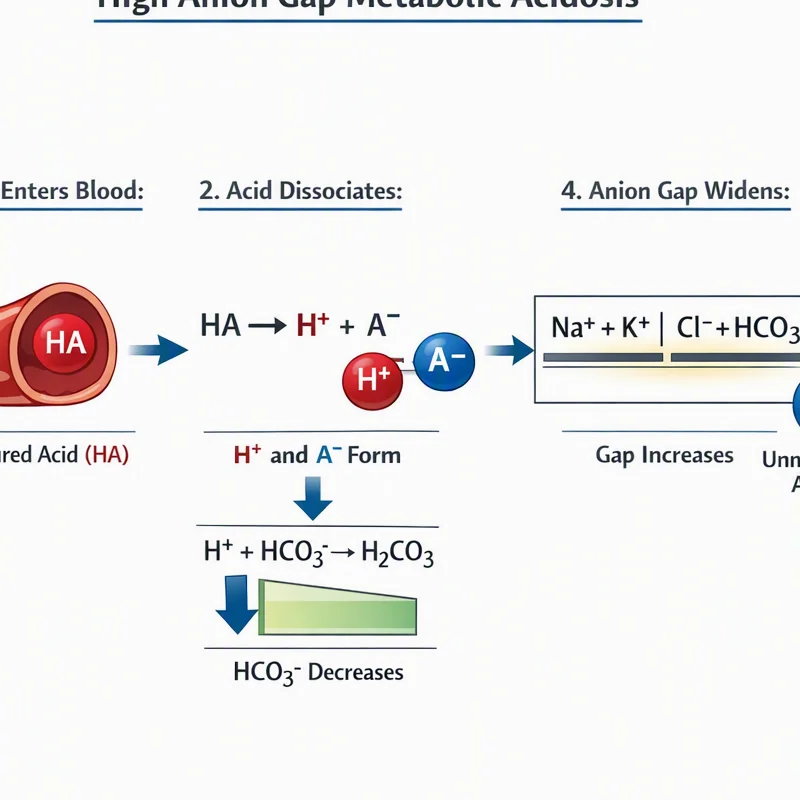
The anion gap is a computed result from a blood test that guides healthcare providers look for hidden acids in the bloodstream. It shows the relationship between measured electrolytes, especially sodium, chloride, and bicarbonate. Because blood has both positively and negatively charged particles, the gap gives a clue about unmeasured ions and possible metabolic problems.
Most often, the anion gap is used in the evaluation of acidosis. A normal result suggests the blood’s measured electrolytes are in a usual balance, while an increased result can indicate extra acids or other unmeasured anions. This is why the number is so useful in lab interpretation and broader clinical assessment.
Think of it as a snapshot of serum electrolytes and acid load. It does not identify the exact problem by itself, but it helps limit the differential diagnosis. When the anion gap is elevated, doctors often look for acid buildup from lactic acid, ketones, toxins, or reduced kidney clearance.
How an Anion Gap Calculator Works
An Anion Gap Calculator applies the standard anion gap formula: sodium minus the sum of Cl and bicarbonate. In basic terms, it is written as follows:
Anion gap = sodium - (chloride + bicarbonate)
This calculation relies on routine lab values from an electrolyte panel. With sodium at 140, chloride at 102, and bicarbonate at 18, the anion gap would be 20. That is why calculators are so useful: they calculate quickly and reduce errors in interpretation.
The calculator is useful, but the raw number is only part of the story. The result should be interpreted with the entire clinical context, including whether there is a compensatory response, whether the patient is ill, and whether the lab values are affected by low albumin. Because albumin is a negatively charged protein, low levels can hide an elevated gap unless a protein correction is considered.
In everyday practice, an anion gap calculator is a screening and interpretation tool, not a stand-alone answer. It helps detect a possible metabolic derangement and supports a more focused diagnostic workup. If the number seems unexpectedly high or low, repeating the electrolyte panel and checking related tests can confirm whether the result is real.
Is an Anion Gap of 20 High?
In many labs, an anion gap of 20 is above the usual normal range and may be viewed as a high anion gap. However, the exact cutoff depends on the lab’s reference range, the analyzer used, and whether the lab reports the value with or without potassium. Some labs use a lower upper limit than others, so a value of 20 may be slightly to fairly elevated depending on the setting.
The most important issue is whether the elevation fits the rest of the data. If bicarbonate is low and the person has symptoms of illness, the result may clearly suggest acidosis. If albumin is low, the measured gap may miss the degree of abnormality, which is why clinicians sometimes adjust the result for albumin.
A corrected gap https://anion-gap-test673.publishlane.com/posts/anion-gap-calculator-for-acid-base-analysis can expose hidden abnormalities and improve diagnostic accuracy. This is especially important in hospitalized patients, people with chronic illness, or anyone with a complex renal disease history. In those cases, the apparent value may not show the whole story.
So, is 20 high? Often, yes. Is it automatically dangerous? Not always. The answer depends on the underlying cause, how fast the change happened, and whether the person has warning signs that suggest urgent evaluation.
Frequent Causes of an Anion Gap of 20
A result like 20 commonly indicates metabolic acidosis caused by additional acid in the bloodstream. Typical causes include lactic acidosis, ketoacidosis, kidney failure, and particular toxin exposures. The mechanism differs in each case, but the pattern is similar: additional unmeasured acids raise the gap.
Lactic acidosis occurs when lactate builds up faster than the body can eliminate it. It can be seen with severe infection, low oxygen delivery, intense physiologic stress, or poor circulation. Since lactate is an organic acid, it raises the anion gap and suggests a potentially serious metabolic problem.
Ketoacidosis is another common cause. In diabetic ketoacidosis, the body breaks down fat for fuel, producing ketones that act as acids. This may occur when insulin is too low or ineffective. Ketone-related acid buildup raises the anion gap and can progress quickly if not treated.
Kidney failure and broader renal disease can also elevate the gap because the kidneys are less able to clear acids and other waste products. As renal function deteriorates, acids accumulate and the blood becomes more acidic. This helps explain why the anion gap is often reviewed alongside creatinine and other kidney markers.
Other important causes include toxin ingestion, especially with salicylates and ethylene glycol. These exposures can create toxic acid products or disrupt metabolism in dangerous ways. In these settings, the elevated gap can be an early clue to a potentially life-threatening illness.
Across all of these causes, the pattern is a form of acid buildup that increases the gap. Identifying the cause matters more than the number alone, because each condition has a different treatment plan.
When a High Anion Gap Is an Emergency
A high anion gap becomes more concerning when it appears with warning symptoms. If a person has shortness of breath, confusion, or chest pain, they may need urgent evaluation. These symptoms can indicate serious acidosis, poor oxygen delivery, severe infection, toxic exposure, or another medical emergency.
Other warning signs can include vomiting, severe weakness, rapid breathing, drowsiness, or dehydration. In a patient with diabetes, symptoms of diabetic ketoacidosis may progress rapidly. In someone with suspected poisoning, the onset of neurologic symptoms or breathing changes can be especially critical.
The severity counts. A mildly elevated result without symptoms may lead to repeat testing and outpatient follow-up, while a markedly high result with clinical instability requires immediate attention. The overall picture, not just the lab number, determines the next step.
If the elevated gap is paired with low bicarbonate and a concerning presentation, clinicians usually treat it as an emergency until they know the cause. That is because acidosis can worsen quickly and affect the heart, brain, and other organs.
How to Doctors Determine the Cause
After identifying a high anion gap, clinicians usually order additional tests to determine the reason. A crucial test is a blood gas, commonly an arterial blood gas, which shows pH, carbon dioxide, and bicarbonate status. This helps confirm acidosis and measure the body’s compensation.
Providers also frequently repeat labs to make sure the result is reliable and not caused by a specimen issue or brief change. A repeat electrolyte panel can confirm the sodium, chloride, and bicarbonate values and strengthen the lab interpretation.
Further targeted tests may include glucose and lactate. Glucose helps identify diabetic ketoacidosis or severe hyperglycemia, while lactate helps detect lactic acidosis. Based on the case, doctors may also check ketones, kidney function, toxicology studies, and infection markers.
This testing process helps connect the laboratory pattern to the actual disease process. A high gap is a warning sign, but the workup reveals whether the cause is metabolic, renal, infectious, or toxic.
Therapy Is Guided by the Underlying Cause
Treatment is determined by the cause, not by the anion gap alone. In cases of dehydration, poor perfusion, or certain forms of lactic acidosis, IV fluids may restore circulation and help clear acids. If the cause is diabetic ketoacidosis, insulin is often necessary to stop ketone production and restore metabolic balance.
If the problem is severe kidney failure, dialysis may be needed to remove acids and resolve dangerous electrolyte disturbances. In toxic exposures, treatment may focus on stopping the exposure, supporting breathing and circulation, and using antidotes when appropriate.

When there is toxin exposure or suspected toxin ingestion, especially with salicylates or ethylene glycol, prompt treatment is essential. These toxic alcohols and related substances can cause major metabolic derangement and severe organ injury if not recognized quickly.
The treatment plan may also involve monitoring blood gas results, repeating electrolytes, and tracking how the anion gap changes over time. A falling gap often shows the acid burden is improving, while a persistent elevation may mean the underlying cause has not been fully addressed.
Common Questions About an Anion Gap of 20
What does an anion gap of 20 mean on a blood test?
An anion gap of 20 on a blood test usually means the gap is elevated and may indicate a high anion gap state. In practical terms, it suggests extra acids or unmeasured anions may be present in the blood. The result should be interpreted with the bicarbonate level, albumin, and the rest of the electrolyte panel to understand the likely cause and clinical significance.
Is an anion gap of 20 always dangerous?
No, an anion gap of 20 is not always dangerous, but it should not be ignored. Some cases are mild and temporary, while others reflect serious metabolic acidosis. The need for medical evaluation depends on symptoms, the presence of low bicarbonate, the lab’s reference range, and whether there is an obvious explanation such as kidney disease, lactic acidosis, or ketoacidosis.
Can dehydration cause a high anion gap?
Fluid loss can occasionally lead to a high anion gap indirectly speaking by reducing circulation and aggravating acid buildup, especially if it leads to reduced tissue perfusion or kidney stress. That said, dehydration alone is not the most typical cause. Clinicians usually investigate a broader underlying cause such as lactic acidosis, ketoacidosis, or renal impairment before attributing the result to fluid loss alone.
What conditions commonly cause a high anion gap?
Common causes include lactic acidosis, ketoacidosis including diabetic ketoacidosis, kidney failure, renal disease, and toxin ingestion such as salicylates or ethylene glycol. These conditions all can create acid buildup or unmeasured acids that elevate the gap. A blood gas, lactate, glucose, and repeat labs often aid in finding the specific problem.
When should I seek medical care for a high anion gap?
You should seek medical evaluation right away if a high anion gap is paired with alarming symptoms such as shortness of breath, confusion, chest pain, severe vomiting, or rapid breathing. If you have diabetes, kidney disease, or a possible toxic exposure, evaluation should be more urgent. A high gap with low bicarbonate or abnormal blood gas results can signal acidosis that needs immediate care.